Natural Right Firearms

The Range

A small local range built for safe shooting and enjoyable time together.

Our Range

Faith, freedom, and a place to shoot.

When I first considered a firearms business, I was serving as a deacon in a Southern Baptist church. At times I was asked how I reconciled my faith with my love for firearms. I have never believed my faith was compromised by being willing to defend myself or my family.

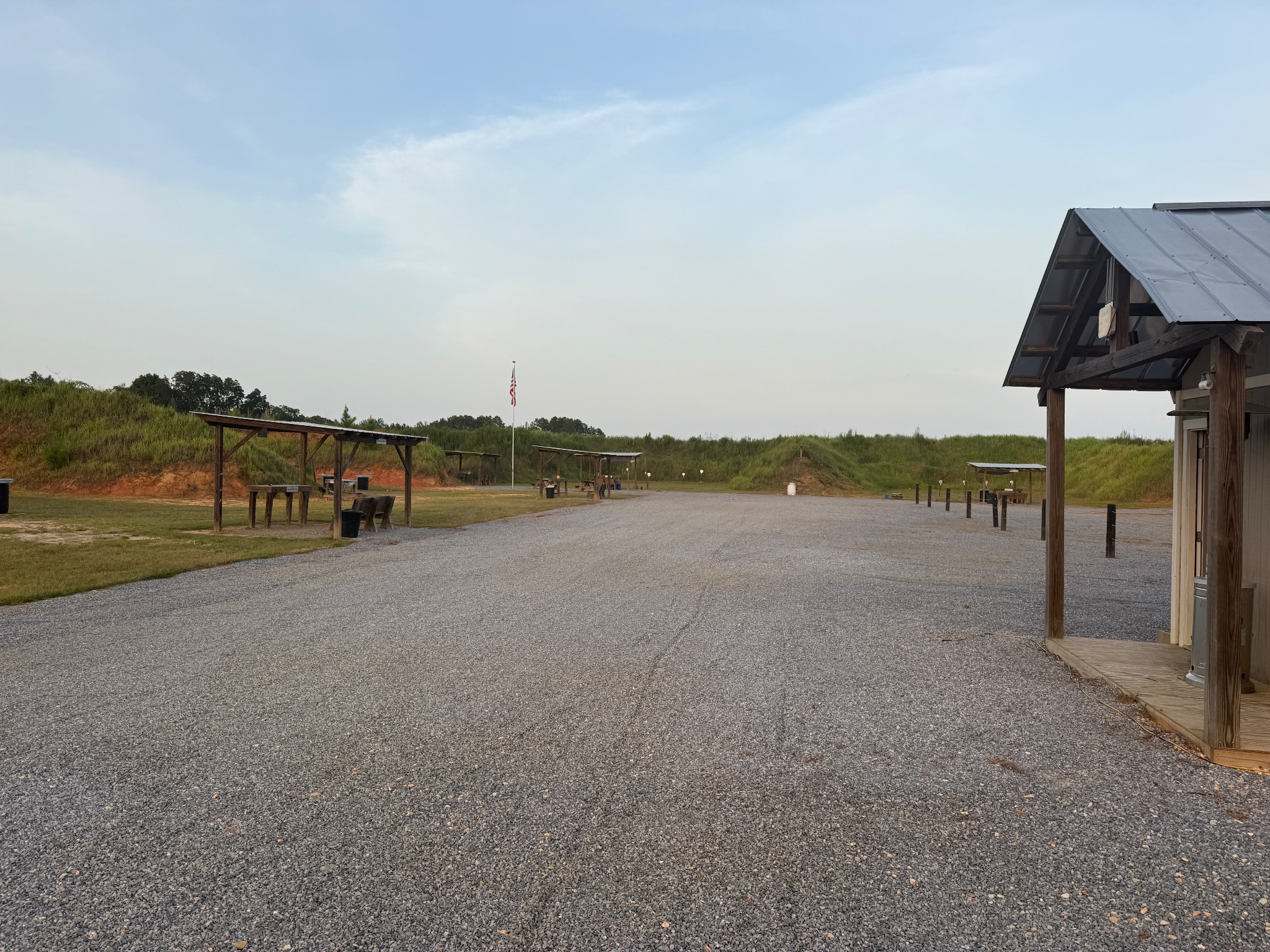
When the range was built, I wanted it to reflect two guiding principles in my life: my love for God and my love for this country. Each of the ten pistol bays is named for a biblical warrior, and the American flag stands in the center of the range.

— Kent Graham

300-Yard Rifle Range

Covered benches and practical distances.

The long range includes three shooting benches and one prone shooting position. Targets are available at 100, 200, and 300 yards for hunting rifles, sporting rifles, and general sight-in work.

Members shooting on the NRF rifle range

The Warrior Bays

Ten pistol bays named for biblical warriors.

Each bay honors a biblical figure remembered for courage, leadership, faith, perseverance, or restoration.

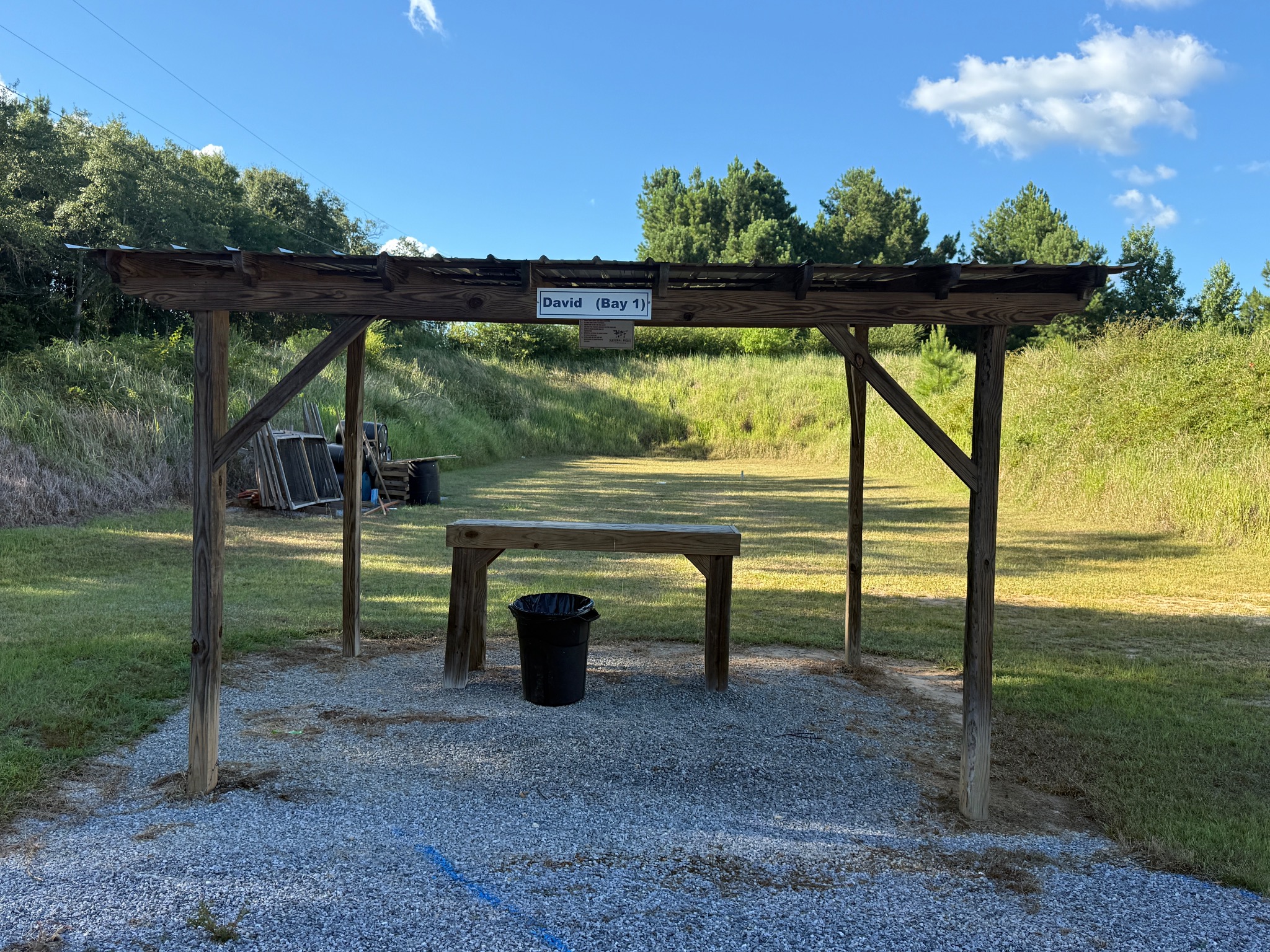
Bay 1

David

David son of Jesse

After David killed Goliath with his sling, King Saul set David over his army. All Israel loves David, but his popularity causes Saul to fear him. Saul plots David’s death, but Saul's son Jonathan, one of those who loves David, warns him of his father's schemes so David flees.

After Saul and Jonathan are killed in a battle against the Philistines, a 30-year old David is anointed king over all Israel and then conquers Jerusalem, establishing the city as his capital, and took the Ark of the Covenant into the city to be the center of worship in the Israelite religion. David desired to construct a temple to God in which to house the Ark but, because he shed much blood, God denied David the opportunity to do so. David goes on to rule as king until his death at age 70, prior to which he chooses his son Solomon, born to him and Bathsheba, to be his successor instead of Adonijah, David's eldest surviving son. David is honored in the prophetic literature as an ideal king and the forefather of a future Messiah, and many psalms are ascribed to him.
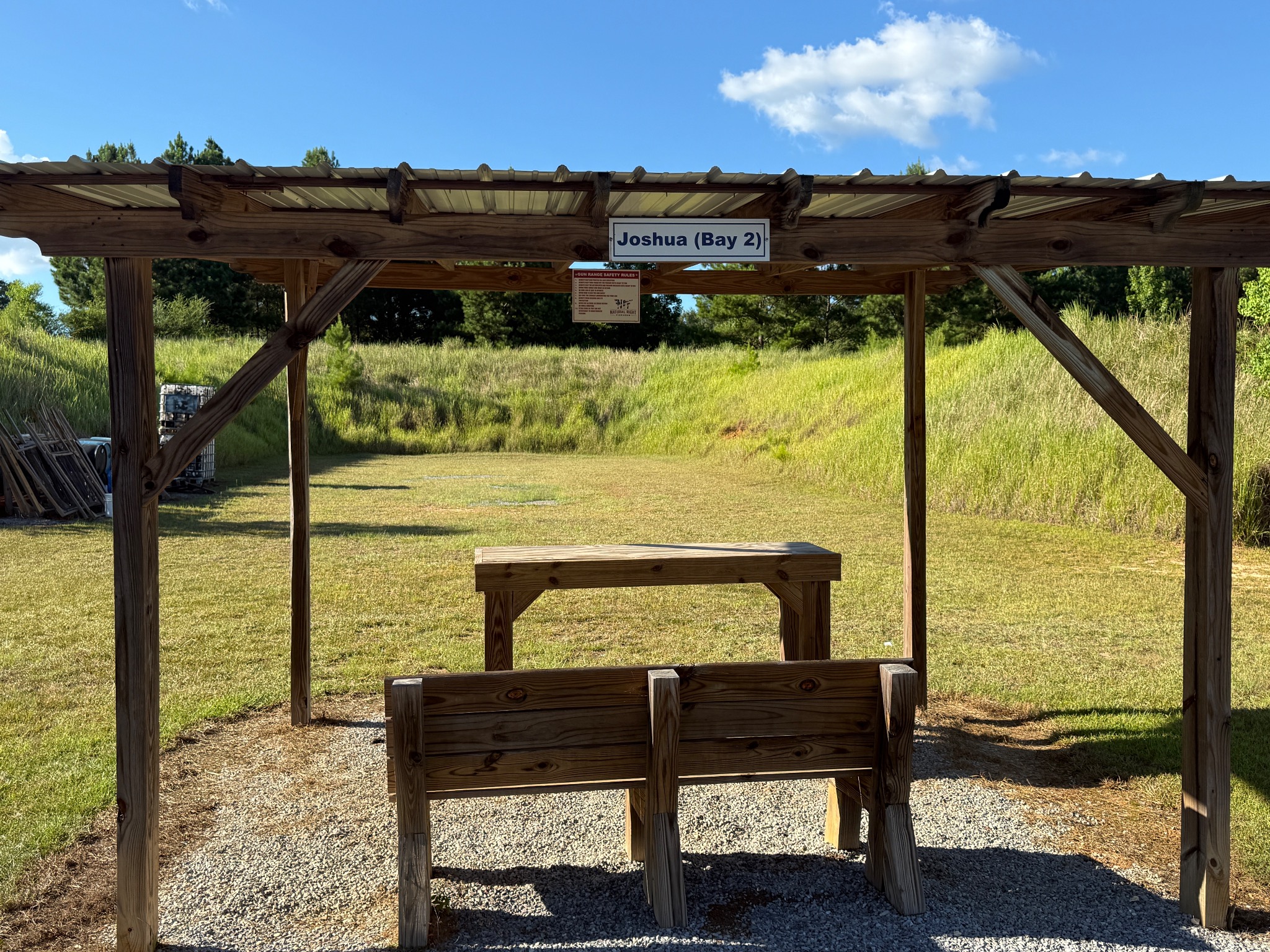
Bay 2

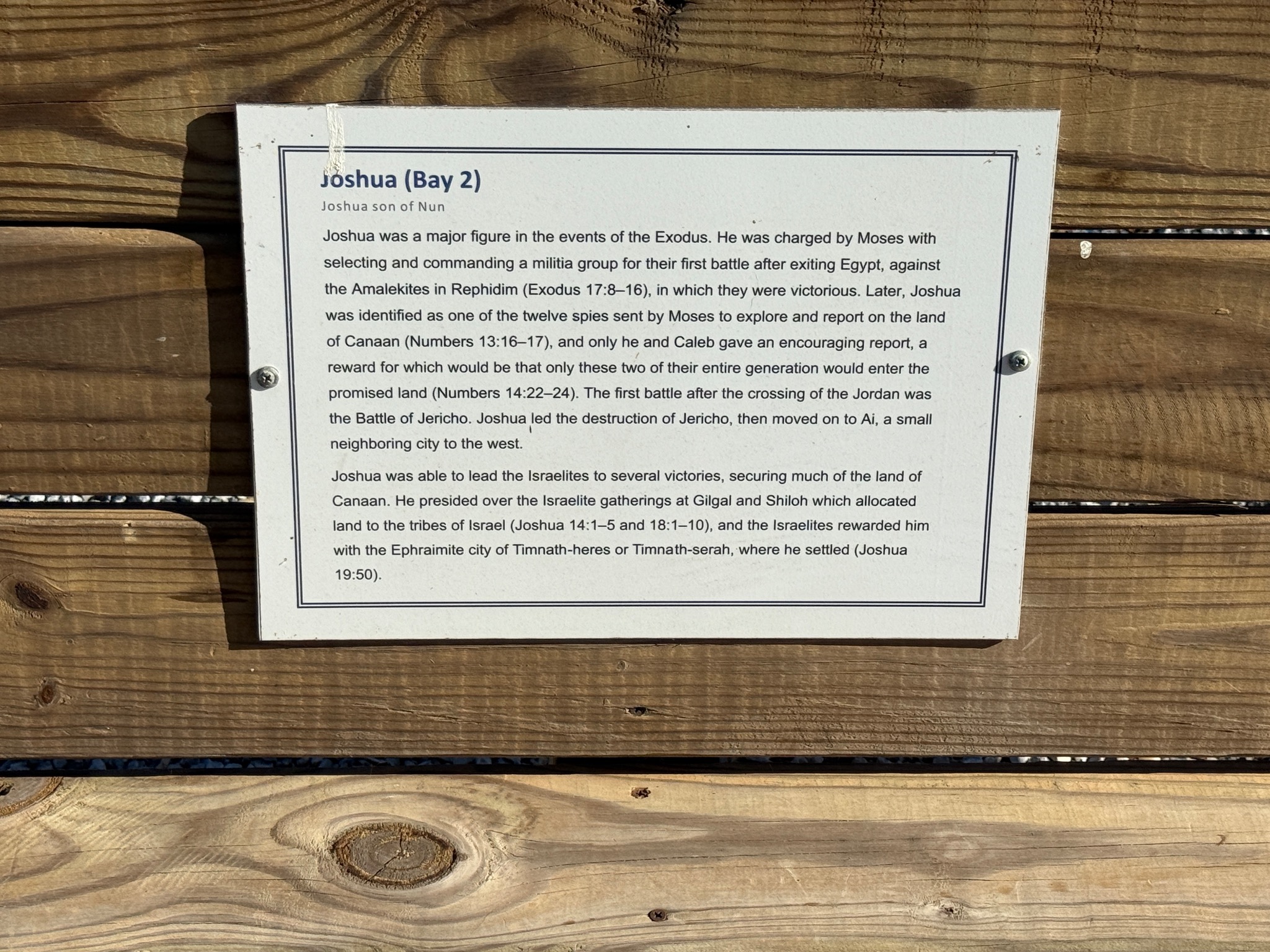
Joshua

Joshua son of Nun

Joshua was a major figure in the events of the Exodus. He was charged by Moses with selecting and commanding a militia group for their first battle after exiting Egypt, against the Amalekites in Rephidim (Exodus 17:8–16), in which they were victorious. Later, Joshua was identified as one of the twelve spies sent by Moses to explore and report on the land of Canaan (Numbers 13:16–17), and only he and Caleb gave an encouraging report, a reward for which would be that only these two of their entire generation would enter the promised land (Numbers 14:22–24). The first battle after the crossing of the Jordan was the Battle of Jericho. Joshua led the destruction of Jericho, then moved on to Ai, a small neighboring city to the west.

Joshua was able to lead the Israelites to several victories, securing much of the land of Canaan. He presided over the Israelite gatherings at Gilgal and Shiloh which allocated land to the tribes of Israel (Joshua 14:1–5 and 18:1–10), and the Israelites rewarded him with the Ephraimite city of Timnath-heres or Timnath-serah, where he settled (Joshua 19:50).

Bay 3

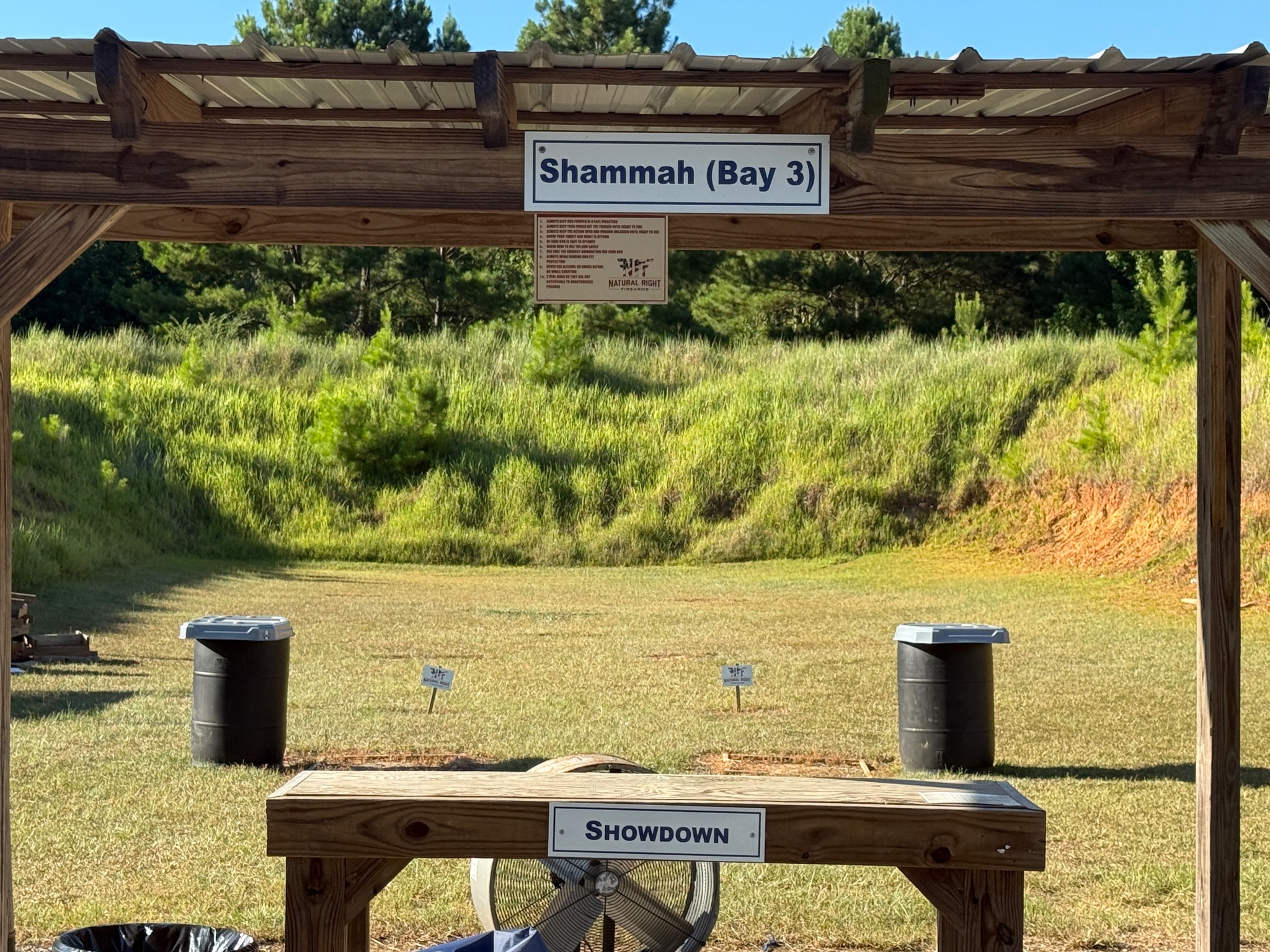
Shammah

Shammah son of Agee

Shammah was the son of Agee, a Hararite (2 Samuel 23:11) or Harodite (23:25), and one of King David’s three legendary mighty men. His greatest deed was the defeat of a troop of Philistines. After the Israelites fled from the troop of Philistines, Shammah stood alone and defeated them himself. He is credited with having single-handedly defeated these Philistine soldiers at a lentil patch.

It is also possible Shammah is mentioned in Judges as Shamgar, who defeated 600 men of the Philistines with an ox goad. This may have been the same battle of the lentil field mentioned in the Book of Samuel, though this event was textually placed several generations before the version in Samuel.

Bay 4

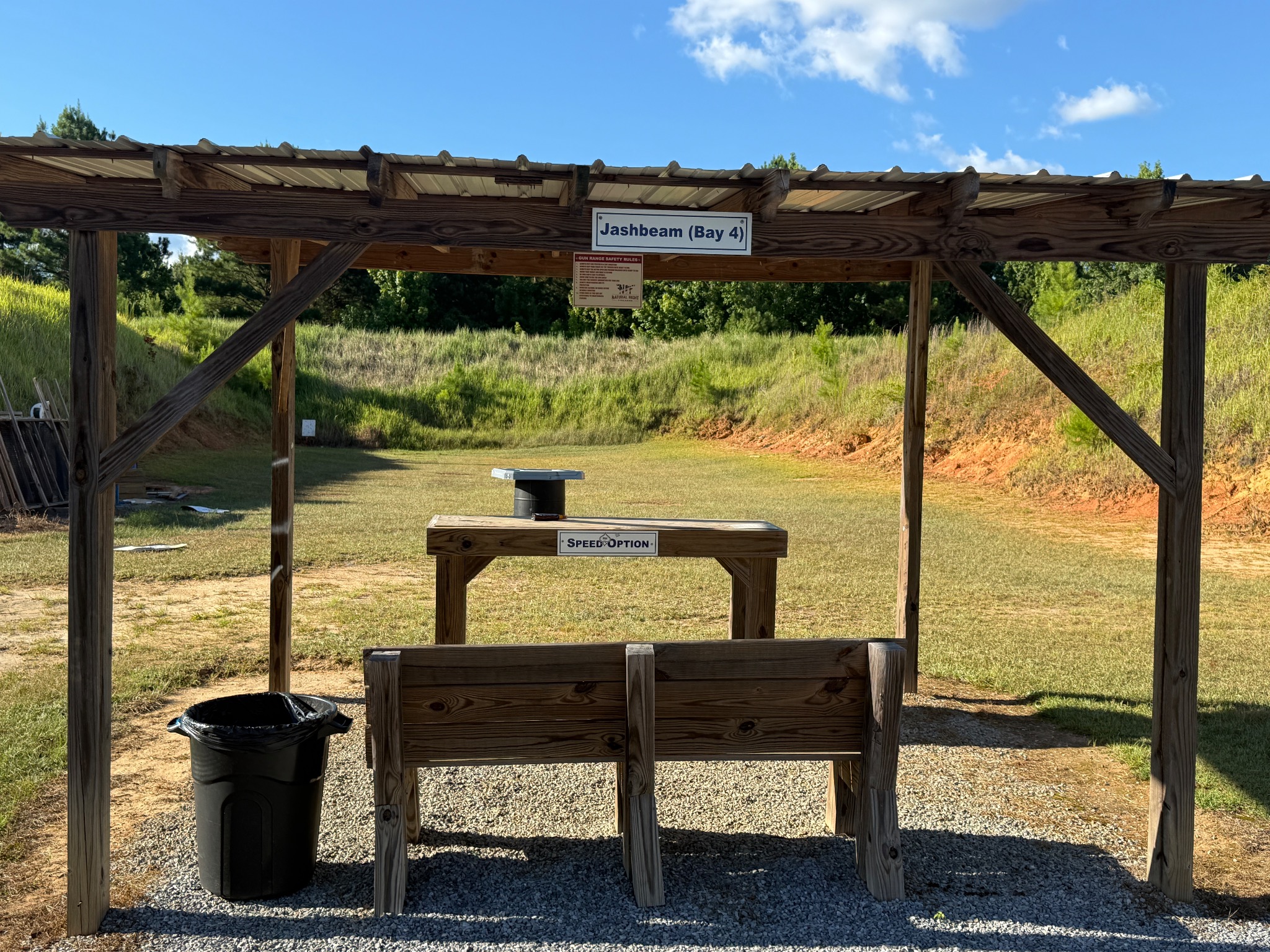
Jashobeam

Jashobeam son of Zabdiel

Jashobeam was chief of the Three Mighty Warriors, and an officer appointed under King David in charge of the first division of 24,000 men, according to the list given in 1 Chronicles 27. Jashobeam was a Benjamite from Hakmon. His father was Zabdiel, a descendant of Korah. He was also a descendant of Pharez of the Tribe of Judah.

Jashobeam was renowned in the Kingdom of Israel for having singlehandedly killed several hundred troops with his spear. During a battle with the Philistines at Ephes Dammim, Jashobeam, along with Eleazar and Shammah, taunted the Philistines. The Israelite army retreated in fear, but the Three defeated the Philistine army themselves in a barley field.

While David was encamped in the Cave of Adullam on a campaign against the Philistines, who were garrisoned in Bethlehem, Jashobeam, as part of the Three, broke the Philistine lines to reach a well near Bethlehem's gate to get David a drink.

Bay 5

Joab

Joab son of Zeruiah David’s sister

Joab was the son of Zeruiah, the nephew of King David. David made him captain of his army (2 Samuel 8:16; 20:23; 1 Chronicles 11:6; 18:15; 27:34). Joab had two brothers, Abishai and Asahel. Asahel was killed by Abner in combat, for which Joab took revenge by murdering Abner against David's wishes and shortly after David and Abner had secured peace between the House of David and the House of Saul (2 Samuel 2:13-3:21; 3:27).

After leading the assault on the fortress of Mount Zion, Joab was promoted to the rank of General (1 Chronicles 11:4-6; 27:34). He led the army against Aram, Ammon, Moab and Edom. He also colluded with David in the death of Uriah (2 Samuel 11:14-25).

Bay 6

Gideon

Gideon son of Joash

Gideon also named Jerubbaal and Jerubbesheth, was a military leader, judge, and prophet whose calling and victory over the Midianites are recounted in chapters 6 to 8 of the Book of Judges in the Hebrew Bible.

Gideon was the son of Joash, from the Abiezrite clan in the tribe of Manasseh and lived in Ephra (Ophrah). As a leader of the Israelites, he won a decisive victory over a Midianite army despite a vast numerical disadvantage, leading a troop of 300 'valiant' men.

Bay 7

Eleazar

Eleazar son of Dodai

Eleazar was one of the Three Mighty Warriors and an officer under King David, according to 2 Samuel and 1 Chronicles. His father was Dodai or Dodo, and he was a Benjamite through his ancestor Ahoah. While fighting the Philistines at Ephes Dammim alongside Jashobeam and Shammah, the other two warriors of the Three, Eleazar fought so long and hard his hand clamped onto his sword. Eleazar, as part of the Three, broke through Philistine lines in Bethlehem to get a drink for David from a well near the gate while they were encamped in the Cave of Adullam, but David poured the water out as a drink offering to God, saying, "Is it not the blood of men who went at the risk of their lives?"

Bay 8

Benaiah

Benaiah son of Jehoiada

The most famous Benaiah in the Bible is the son of Jehoiada, who came from the southern Judean town of Kabzeel

Benaiah was one of King David’s mighty men, commander of the 3rd rotational army division; (2 Samuel 23:20; 1 Chronicles 27:5). He helped David's son Solomon become king, killed Solomon's enemies, and served as the chief of Solomon's army. On Solomon's instructions he was responsible for the deaths of Adonijah (1 Kings 2:25), Joab (1 Kings 2:34) and Shimei (1 Kings 2:46). He was in charge of the Cherethites and Pelethites. Several verses in 1 Kings 1 make clear that Benaiah was closely associated with Solomon's party and excluded from Adonijah's faction. He is also mentioned in 2 Samuel 8:18, 23:20–23, 30 and 1 Chronicles 27:5–6.

Bay 9

Samson

Samson is one of the Biblical warriors known for his incredible physical strength. He is often remembered for his ability to defeat the Philistines, despite being outnumbered and outmatched. One of the critical lessons we can learn from Samson’s story is the importance of using our gifts for God’s glory. Samson was blessed with great physical strength and used this gift to serve God and protect Israel.

He understood that his strength was not for his benefit but for the benefit of others. Another lesson we can learn from Samson is the importance of self-control. Despite his strength, Samson was also known for his impulsive and reckless behavior. He often acted on his desires without thinking through the consequences. This ultimately led to his downfall and capture. By learning from Samson’s mistakes, we can learn to have self-control and make wise decisions that will bring glory to God. He was always willing to put his life on the line for the sake of his people and God’s glory. Faithfulness is another important lesson we can learn from Samson’s story. He displayed faithfulness to God and his people throughout his life and never wavered from his commitment to God.

From his story, we can apply these lessons to our lives and learn to use our strengths and talents to serve God and bring glory to His name.

Bay 10

Naaman

Now Naaman was commander of the army of the king of Aram. He was a great man in the sight of his master and highly regarded, because through him the Lord had given victory to Aram. He was a valiant soldier, but he had leprosy.

We are warriors in the Kingdom of God, yet we have our weaknesses. God does not disqualify us because we are weak in certain areas. Naaman was a great warrior who battled leprosy. The disease did not stop him from the great work of fighting his nation’s enemies. God healed him and restored his skin to be like that of a young boy (2 Kings 5:14). God will heal and restore us to wholeness. Gideon is also a mighty warrior who battled weakness. It wasn’t physical weakness like Naaman but a mental/emotional one.

Gathering Space

Simple facilities that serve our members.

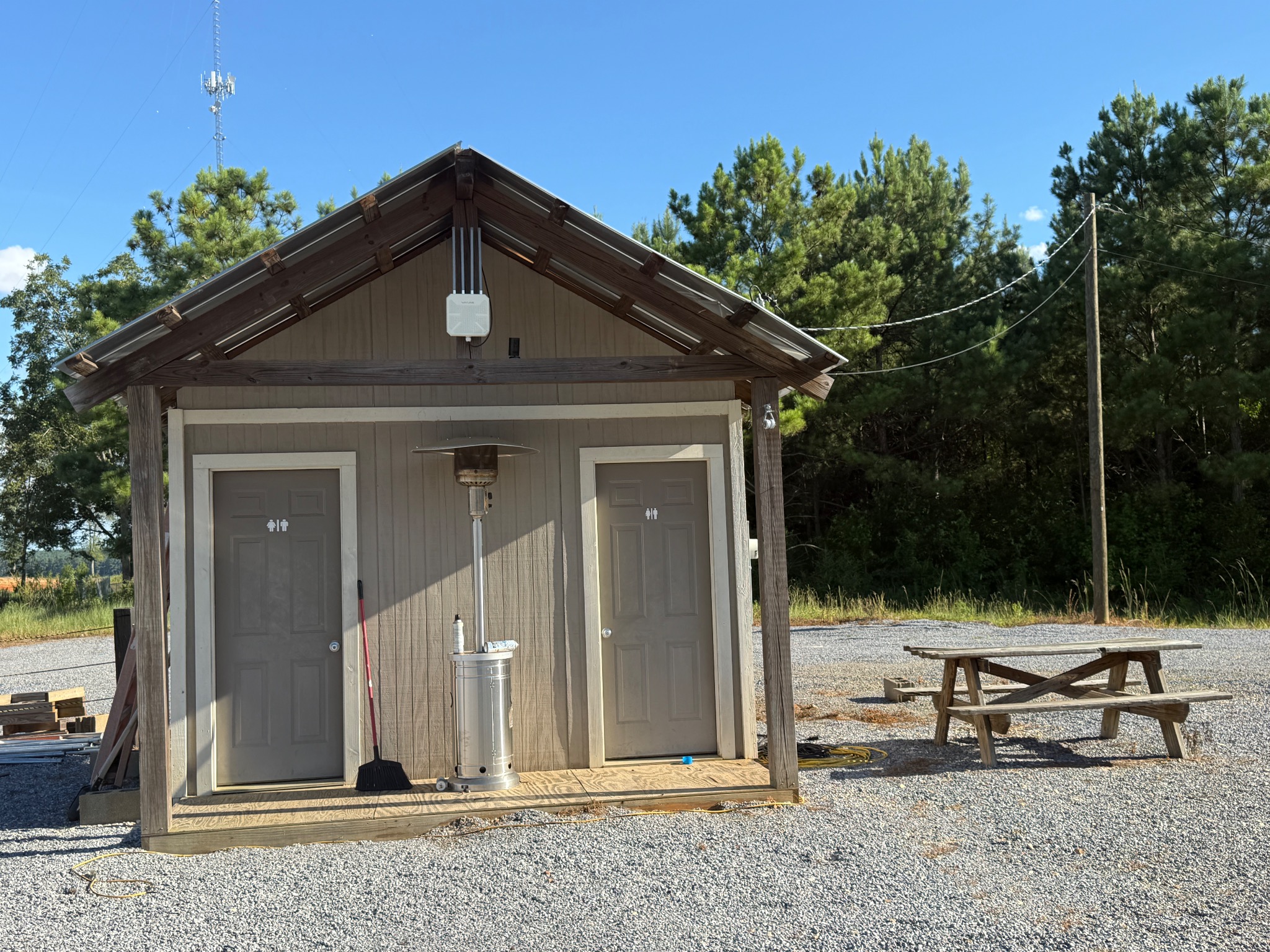
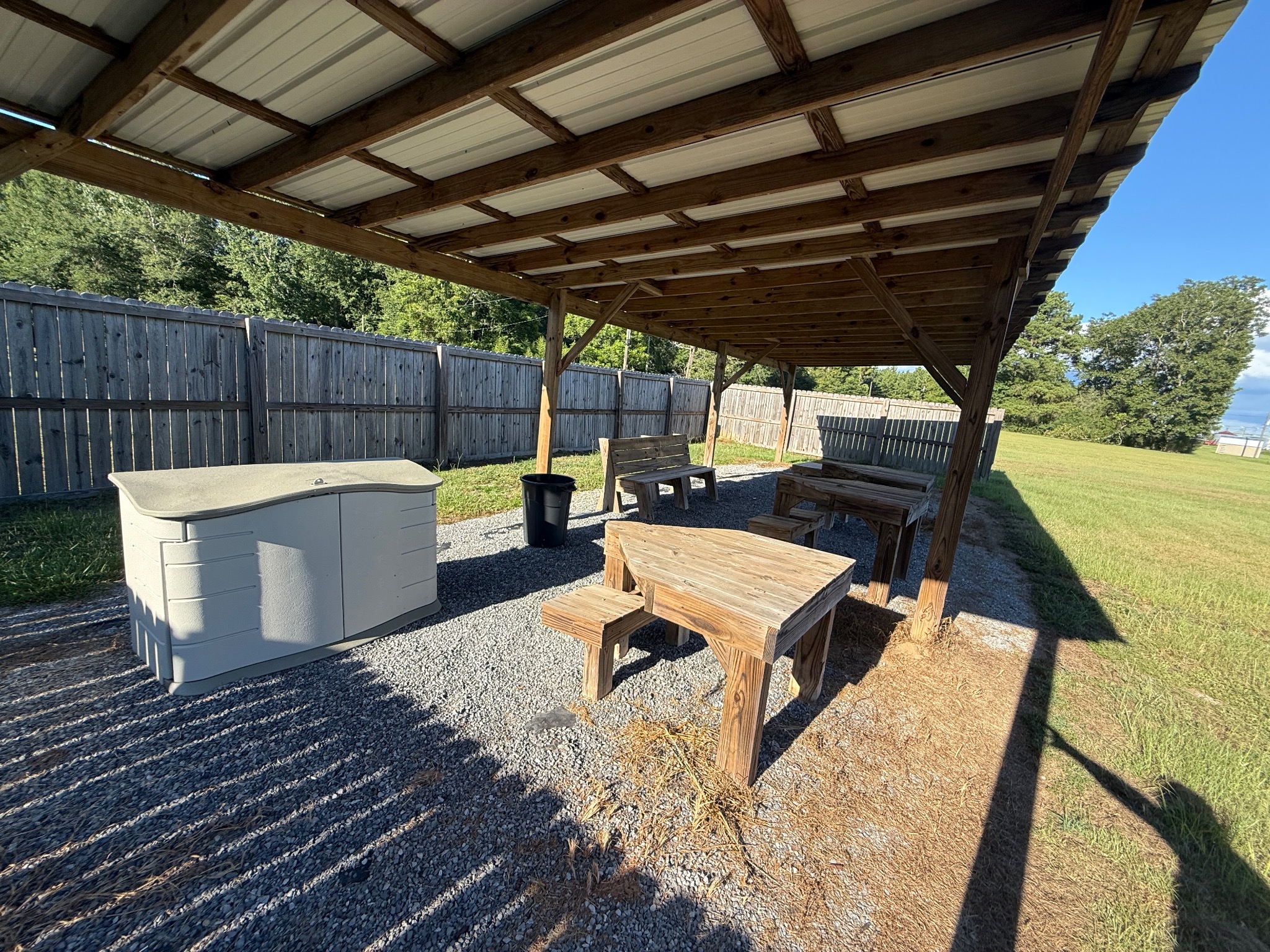
The range includes covered shooting areas, benches, picnic tables, restrooms, safety areas, and space for competitors and members to gather before and after shooting.

Covered gathering area at NRF